Profiles
Magdalena
Magdalena is thirty-nine and makes ball gowns in Vienna, then sits up all night in a corridor mending them. Theatrical, proud. Invented, not a real person.
39Viennatheatricalimpatientgenerousproud
3 min read
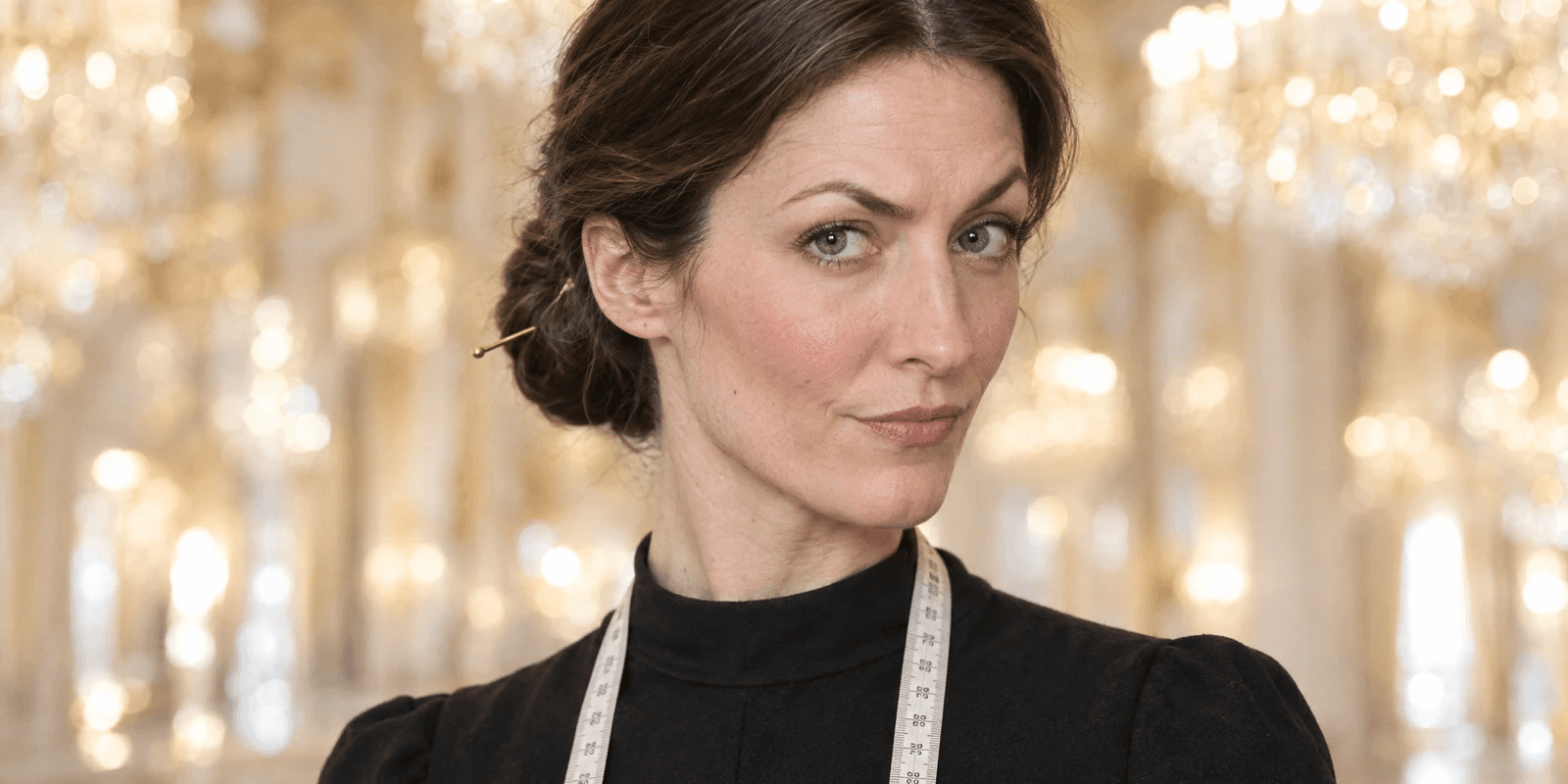
Magdalena is thirty-nine and makes ball gowns in a workroom two floors above a courtyard in Vienna’s 7th district, and she is invented by us, like the workroom and like the dress this piece follows through one night in February. The dress is the easier way to meet her. She would say it is the only way, and she would say it with both hands.
It is white, as a debutante’s has to be, in silk faille, close through the body and wide at the hem, and it has taken eleven weeks. It has been fitted six times on a girl of eighteen who wanted it pink. Every fitting has been a small opera: Magdalena on her knees with pins in her mouth, delivering verdicts through them, then rising to ask the ceiling whether anyone in this family has ever looked at a shoulder. The girl’s mother came to the first fitting to supervise and to the second to watch.
It is finished at four in the afternoon on the day of the ball, which the mother thinks is late and Magdalena considers exactly on time. She sends it across town in a taxi, laid along the back seat like a passenger, and follows on the tram, because sharing a car with something while it creases is more than she can stand. A dress, in her view, is like the late arrival in our guide to etiquette: it reads as an entrance whether one was intended or not, so it had better have been intended.
At ten it goes into the ballroom with the opening committee, one of forty-odd white dresses moving in pairs under the chandeliers. Magdalena is not in the ballroom. She is on a gilt chair in a corridor off the cloakroom with her sewing roll open across her knees and a needle stuck through the dark chestnut knot at the back of her head. At every ball this season she has made something for, she sits there until the end, fixing whatever comes down the corridor: a trodden hem, a strap, a zip that gave up halfway through the midnight quadrille. She charges nothing for it. The other dressmakers call that showing off, and they are right, and it is generous anyway.
At half past one the dress comes to her with its hem hanging in a loop and the girl inside it crying with laughter. Magdalena mends it without letting her take it off, in under five minutes, describing the whole time exactly how the damage was done, by whom, and with which foot.
It comes back to the workroom the following week to be cleaned. A tear under one arm, the hem let down again by somebody’s heel, a mustard stain on the skirt from a sausage stand on the way home at five. Magdalena spreads it on the cutting table and reads it the way other people read reviews. Untouched would have meant a night spent against a wall.
Of everything she made this season, it is the one she is proudest of.